Kevin Shaun Jirasinghe
 06/08/2025
Investors Are Used To Shifting Markets But What Happens When Nature Becomes The Disruptor?
The fine wine world is facing an existential challenge, climate change.
Extreme weather is no longer a distant threat; it’s here, and it’s wreaking havoc on vineyards globally. Studies now suggest that up to 70% of the world’s traditional winemaking regions could be compromised if temperatures continue to rise. From devastating frosts to wildfires and droughts, producers are under pressure to adapt.
One emerging solution? Hybrid grape varieties.
Hybrid grapes are the result of crossbreeding vitis vinifera (the classic European wine grape) with other grape species to create vines that are more resilient to cold, pests, and disease. Some hybrids can withstand bitter cold down to -40°C, and require far fewer chemical sprays, a win for sustainability and for reducing farming costs.
Now, I know what you’re thinking. Fine wine is about elegance, provenance, and complexity. Can hybrids deliver that? Historically, hybrids have been dismissed, banned in parts of France, seen as inferior, and accused of tasting like grape soda.
But today, that perception is changing fast.
In regions hit hard by unpredictable weather, such as the Finger Lakes in New York, hybrids are proving their worth. Growers are cropping them lower, managing canopies with precision, and producing wines that are not only eco-conscious but also increasingly complex and refined.
Let’s talk numbers, traditional vitis vinifera grapes might cost up to £2,255 per ton. Hybrids? Often closer to £751. That’s a serious reduction in input costs. And when you consider their natural disease resistance, the long-term efficiency for producers is clear.
Winemakers are now approaching hybrids with the same level of care they’ve traditionally reserved for Napa Cabernet or Burgundy Pinot Noir. They’re fine-tuning fermentation, adjusting yields, and using advanced cellar techniques to bring out the best in these new varietals.
Take Marquette, Frontenac, or La Crescent, these aren’t household names yet, but in the right hands, they’re delivering wines with depth, character, and real investment potential.
There’s a powerful irony here. Luxury is often defined by rarity, sustainability, and provenance and hybrids tick every box. They’re less common, better for the planet, and are tied to unique terroirs that are now proving themselves in the glass.
What’s more, critical recognition is building. Hybrid wines are earning 90+ scores in major publications and are being poured in high-end restaurants and wine bars across Europe and the US.
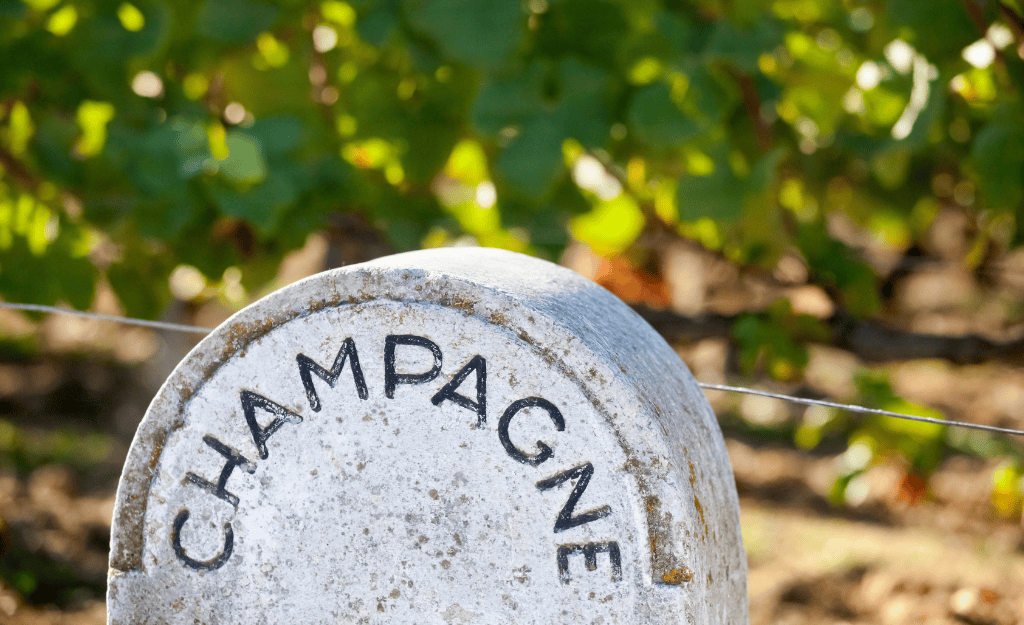
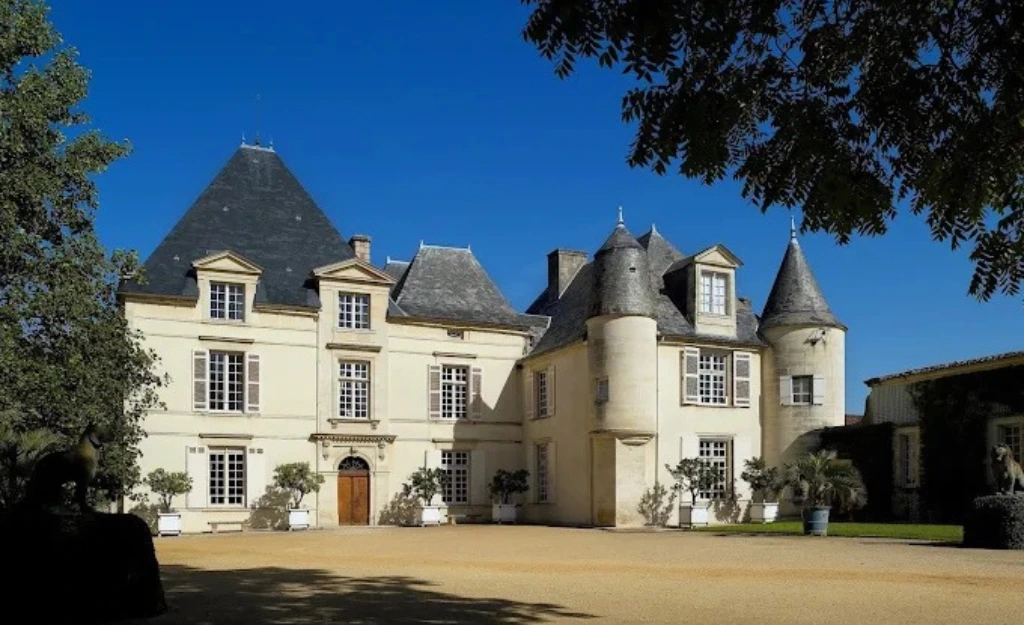
Even historic wine strongholds like Bordeaux and Champagne are revisiting their stance on hybrids. Why? Because climate resilience is becoming a strategic necessity.
The fine wine market has always evolved, new regions rise, vintages vary, and tastes shift. What’s emerging now is not just a trend, but a potentially vital chapter in the future of fine wine.
At Moncharm, we’re constantly analysing market trends and exploring how innovations like hybrid grapes could influence long-term value, scarcity, and global demand. While not every hybrid wine will be investment grade, some producers are already setting new benchmarks.
It’s an exciting space to watch and one we’ll continue tracking closely. As always, if you want to discuss how your wine portfolio can stay ahead of the curve, feel free to get in touch.
 20 Oct 2026