Nathan Wilson
 24/02/2026
Data emerging from Liv-ex suggests something important
There is a distinct difference between a market that is rebounding and one that is overheating. In the current cycle, the fine wine market is showing the early signs of recovery, not euphoria. And that distinction matters enormously for those serious about wine investment.
Over the past two years, we have witnessed a period of recalibration. Prices that rose sharply during the post-pandemic surge adjusted downward. Bid-offer spreads widened. Buyers became selective, headlines shifted from record highs to cautious commentary. For many observers, this felt uncomfortable and for disciplined investors, it was necessary.
Now, as we move into 2026, the data emerging from Liv-ex suggests something important: the correction phase is largely behind us. What lies ahead appears to be a gradual, sustainable recovery.
The most common misconception in markets is that recovery happens in a dramatic upward swing. In reality, especially within the fine wine market, it tends to unfold quietly.
The early stages are marked by improving liquidity rather than explosive price growth. Bid activity strengthens, sellers become less aggressive in discounting and indices stabilise before they climb. This is precisely what recent Liv-ex data has been signalling.
The Liv-ex 100, often regarded as a benchmark for investment-grade wine, has begun to show consistency after a prolonged period of softness. Gains have been modest, but more importantly, they have been sustained. The breadth of rising wines is widening. That breadth is a far stronger indicator of structural health than any single headline percentage gain.
For wine investment portfolios, this is constructive. A steady recovery reduces volatility and creates an environment where disciplined capital can be deployed with confidence.
Liv-ex remains the most transparent barometer of the global fine wine market. Its indices provide real-time insight into trade flows, pricing trends and regional performance.
What we are currently seeing through Liv-ex is not speculative froth. It is measured, broad-based improvement. Trade volumes have normalised, bid-offer ratios are improving and the gap between buyers and sellers is narrowing.
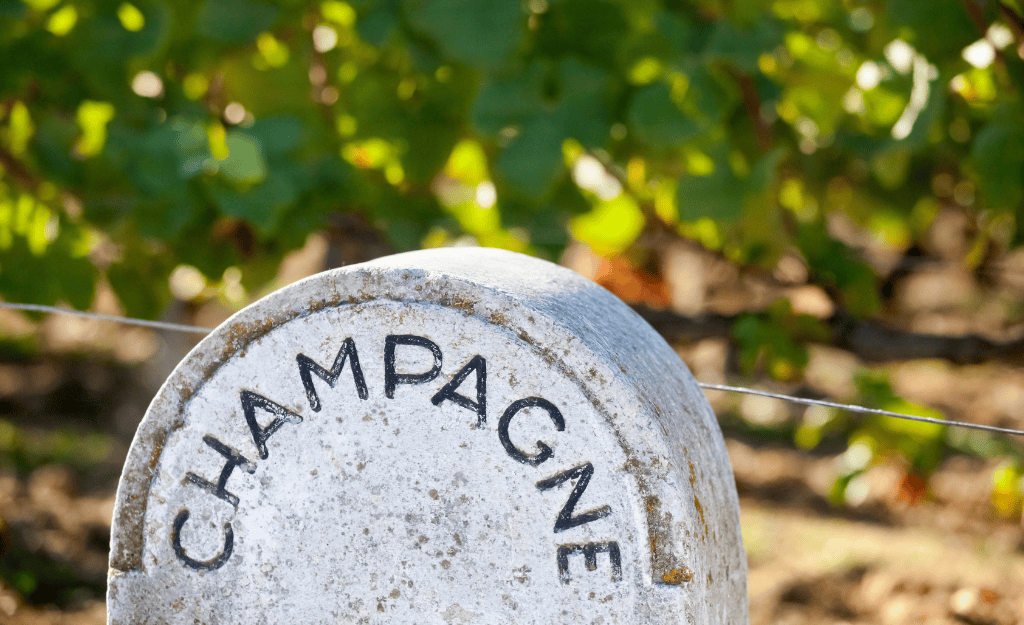
Crucially, this activity is not confined to a single region. Bordeaux, Burgundy, Champagne and Italy are all contributing to renewed momentum. When recovery is regionally diverse, it tends to be more durable.
For investors seeking clarity, Liv-ex data provides reassurance that this is not a short-term bounce but the early phase of a new cycle.
Every mature asset class experiences cycles. Equities do, property does and fine wine is no different.
The correction that began in late 2022 served an important purpose. It removed excess speculation, recalibrated release pricing and restored credibility to valuations. During overheated periods, returns can become detached from fundamentals. The past two years have reconnected price to intrinsic value.
For those engaged in wine investment, this reset is positive. Entering a market at sustainable levels provides stronger risk-adjusted potential than buying at peak exuberance.
History supports this view. Many of the most successful fine wine portfolios were built during transitional phases, not during headline-grabbing bull runs.
One of the clearest indicators that the fine wine market is stabilising is liquidity.
Liquidity is often misunderstood. It is not merely about trading volume, it’s about the ease with which buyers and sellers transact without dramatic price concessions. When liquidity improves, spreads tighten and confidence follows.
Recent Liv-ex data shows that buyers are becoming more active. Sellers are showing less urgency and transactions are occurring closer to fair market value.
For wine investment, this environment is ideal. It allows strategic accumulation without the distortions that accompany extreme sentiment.
While recovery is underway, it is important to recognise that the fine wine market is not rising uniformly. This is not a broad-brush rally, it is a selective one.
Blue-chip producers continue to attract consistent demand. Iconic names from Bordeaux and Burgundy remain foundational. Prestigious Champagne houses and established Italian estates are demonstrating resilience.
At the same time, lesser-known labels without strong secondary market support are lagging. This divergence reinforces a simple truth: wine investment rewards quality and liquidity above all else.
Investors who focus on proven estates with global demand and deep trading history are best positioned to benefit from the recovery phase.
The early stages of any market recovery are often characterised by hesitation. Investors remember the previous downturn and remain cautious. Ironically, this caution creates opportunity.
When sentiment is restrained, pricing tends to be rational. There is less speculative chasing and entry points are more compelling.
As confidence builds, participation broadens. Capital that initially sat on the sidelines re-enters. That gradual expansion of demand supports sustained price growth rather than sharp spikes.
In the fine wine market, we appear to be at precisely this juncture. Confidence is improving, but exuberance has not returned. For disciplined wine investment strategies, that is the most constructive environment possible.
Beyond the internal mechanics of the wine market, external conditions are also aligning.
Interest rates have begun to stabilise, currency volatility has moderated and inflationary pressures are easing in key economies. These factors reduce uncertainty and encourage alternative asset allocation.
Fine wine benefits from its tangible nature and low correlation to traditional financial markets. In diversified portfolios, it serves as both a store of value and a growth asset.
As broader financial markets adjust to new macro realities, fine wine’s relative stability becomes increasingly attractive.
Looking ahead, it would be unrealistic to expect explosive gains across the board. Recovery in the fine wine market is more likely to resemble steady compounding than dramatic surges.
Liv-ex trends suggest continued gradual improvement rather than acceleration. This is healthy. Sustainable markets are built on incremental gains supported by genuine demand.
For wine investment portfolios, the focus should remain on long-term positioning rather than short-term trading. Investors entering now are not chasing momentum; they are participating at the early stages of a rebuilding cycle.
The narrative that the fine wine market is “only at the start of recovery” should not be interpreted as hesitation. It should be viewed as opportunity. The reset has already occurred. Liquidity is improving, Liv-ex data is signalling renewed confidence and regional breadth is widening. Selectivity is rewarding quality.
For those engaged in wine investment, this phase is often the most advantageous. It combines rational pricing with strengthening fundamentals.
At Moncharm Wine Traders, our approach remains consistent. We prioritise blue-chip estates, diversified regional exposure and disciplined acquisition strategies. Recovery cycles favour patience and conviction, not haste.
The fine wine market does not need spectacle to generate returns. It requires structure, scarcity and sustained demand. Those elements are firmly in place and if history is any guide, those who position themselves thoughtfully at the start of recovery are often the ones who benefit most when confidence fully returns.
Ready to explore Fine Wine Investment?
Book a free consultation with one of our experts today and discover how to turn Fine Wine into a powerful alternative asset. Book a free consultation today.

 20 Oct 2026