Nathan Wilson
 23/06/2026
Investors, Collectors & Merchants Are Increasingly Paying Attention
For years, most conversations about wine investment have centred around Bordeaux First Growths, blue-chip Burgundy and the world’s most sought-after Super Tuscans.
White wines rarely grabbed the headlinesbut that is starting to change.
Across the fine wine market, demand for premium white wines has been growing steadily, with trading activity reaching levels that would have seemed unlikely just a few years ago. Investors, collectors and merchants are increasingly paying attention to a category that has traditionally been overshadowed by its red counterparts.
The question is simple: why are fine white wines suddenly attracting so much interest?
The answer comes down to scarcity, changing consumer preferences and a growing appreciation of just how investment-worthy the world’s finest white wines can be.

The fine wine market has never stood still. Over the past decade, investors have become more sophisticated. Rather than focusing solely on the traditional investment regions, buyers are seeking diversification and looking for opportunities that may have been overlooked in the past.
White wines have benefited from this shift.
As prices for top red Burgundy and Bordeaux climbed significantly, collectors began exploring other categories offering strong quality, limited production and global demand.
What they discovered was a market segment packed with world-class wines that remain relatively scarce and, in many cases, represent compelling value compared to their red counterparts.
When discussing investment-grade white wines, Burgundy inevitably dominates the conversation.
The region produces some of the most sought-after white wines on the planet, with names such as Domaine Leflaive, Coche-Dury, Raveneau and Domaine Roulot commanding extraordinary attention from collectors.
The appeal is easy to understand, production volumes are tiny.
Many of the most famous vineyards cover only a handful of hectares, meaning supply remains permanently constrained. Once allocations are distributed and bottles begin disappearing into private collections, availability becomes incredibly limited.
That scarcity has become one of the biggest drivers of value. Unlike many other luxury assets, great wine becomes rarer every year as bottles are consumed.
The best white Burgundies exemplify this dynamic perfectly.
Another factor behind the rise of fine white wine trading is changing consumer behaviour.
Historically, many collectors viewed white wines as something to drink rather than collect but that perception has shifted.
Wine enthusiasts today have a much greater appreciation for age-worthy white wines. The finest examples from Burgundy, Bordeaux, Germany and Champagne can evolve beautifully over decades, developing complexity and character that rival the world’s greatest reds.
As awareness grows, so does demand.
Collectors who once focused exclusively on red wines are increasingly adding white wines to their cellars, creating an entirely new source of buying pressure. This trend has been particularly noticeable among younger collectors, who often favour freshness, elegance and versatility over sheer power.
One of the most compelling investment cases for white wine is the simple imbalance between supply and demand.
Many of the world’s greatest white wines are produced in remarkably small quantities.
Take Coche-Dury as an example. The domaine’s wines are among the most difficult bottles in Burgundy to acquire, with global demand dramatically exceeding production. Similar stories can be found across many of the region’s leading producers.
This creates a familiar dynamic in that limited supply meets growing international demand, prices respond accordingly and for investors, scarcity remains one of the strongest long-term drivers of performance.
The same principles that have supported the rise of top red Burgundy over the past two decades are increasingly being applied to elite white wines.
The growth of white wine trading is not limited to Burgundy.
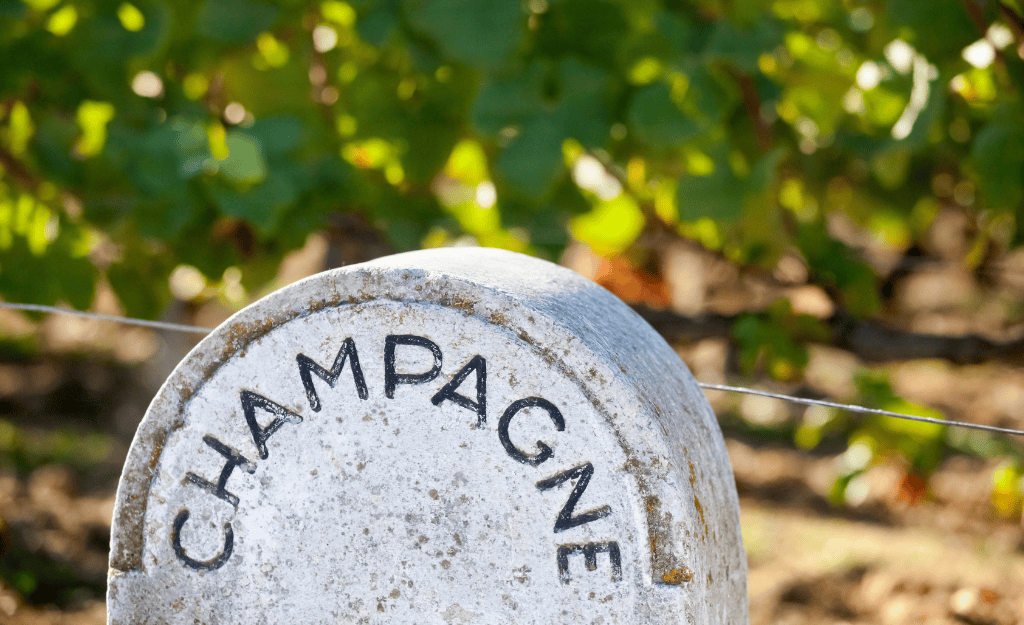
Champagne continues to strengthen its position within the investment landscape with prestige cuvées such as Dom Pérignon, Krug, Salon and Louis Roederer Cristal have all attracted significant investor attention over recent years.
Part of the appeal comes from brand recognition, even those with limited wine knowledge recognise names like Dom Pérignon and Cristal.
That global awareness supports liquidity, which remains a crucial factor for successful investments in fine wine. Champagne also benefits from broad appeal. Buyers span collectors, investors, restaurants and luxury consumers, creating multiple layers of demand.
One of the more interesting developments has been growing interest in white Bordeaux.
Historically, the region’s red wines have dominated attention, yet many of Bordeaux’s leading estates also produce exceptional white wines.
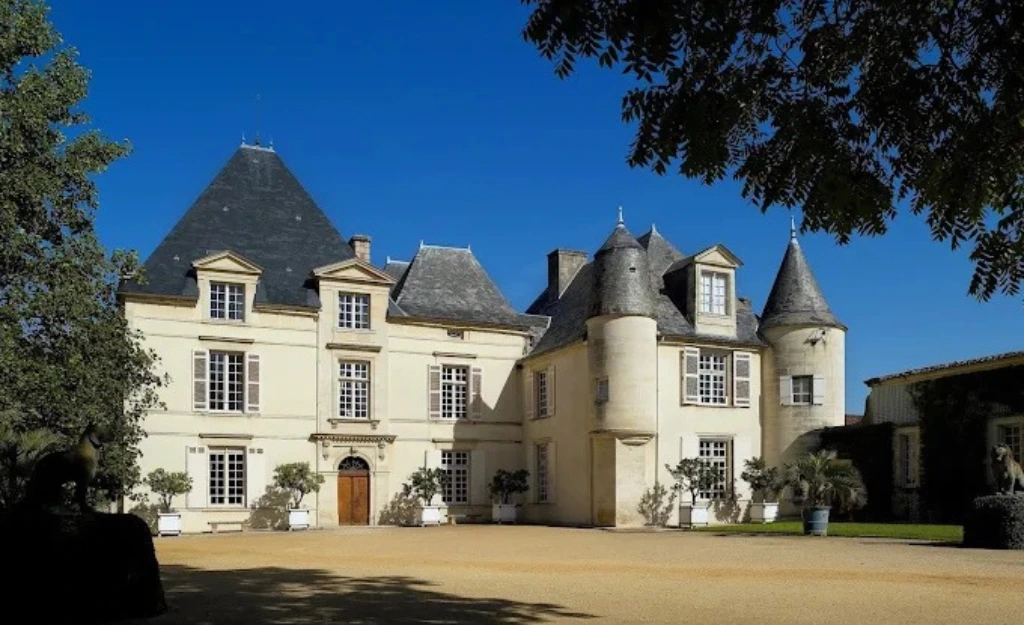
Château Haut-Brion Blanc, Château La Mission Haut-Brion Blanc and Domaine de Chevalier Blanc are increasingly attracting collectors who appreciate both their rarity and ageing potential.
Production volumes are often tiny compared to the red wines produced by the same estates and that combination of quality and scarcity is beginning to attract greater attention from the market.


 20 Oct 2026