Kevin Shaun Jirasinghe
 20/01/2026
How generational stewardship supports long-term value
When people ask me what really makes a great wine investment, they’re often expecting a technical answer; yields, critic scores, supply curves, market timing. All of that matters, of course but after more than a decade working with collectors and investors, I can tell you something simpler (and far more reliable): the best wine investments are built on people, not just prices.
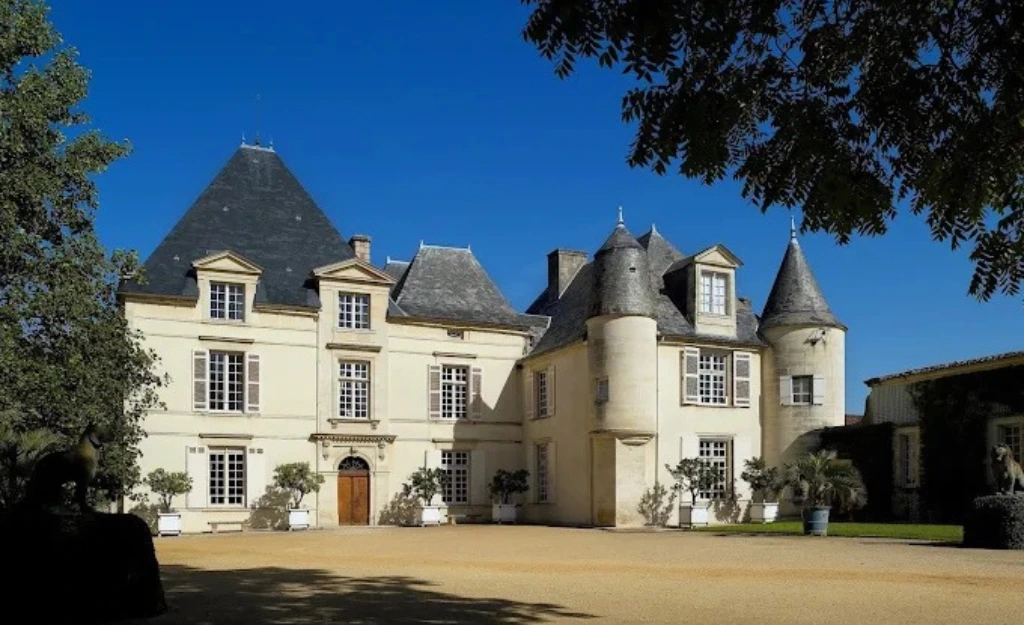
That’s exactly why the recent generational transition at Château Smith Haut Lafitte deserves attention. Not as headline news, but as a quiet confirmation that this is an estate thinking long-term, the same way successful wine investors do.
Fine wine is not a fast-moving asset. It doesn’t behave like equities or crypto and that’s precisely its strength. Wine rewards patience, discipline and consistency, values that tend to show up most clearly in family-run estates with a long-term outlook.
When leadership passes smoothly from one generation to the next, it sends a powerful signal to the wine investment market. It tells us that decisions aren’t being made for the next release cycle or the next balance sheet but for the next 20 or 30 years.
From an investor’s point of view, that kind of continuity reduces risk. It means fewer stylistic surprises, fewer aggressive pricing decisions and a steadier approach to brand building, all things that support long-term value.
Over the past two decades, Haut Lafitte has quietly transformed itself from a respected Bordeaux name into a modern benchmark estate. It hasn’t done this by chasing hype or inflating prices, but by focusing relentlessly on quality, sustainability and consistency.
This matters enormously for wine investment. Wines that perform best over time tend to share a few traits: recognisable identity, strong global demand and a clear philosophy that doesn’t change with market fashion. Haut Lafitte ticks all three boxes. It’s an estate collectors understand, sommeliers trust and investors feel comfortable holding through market cycles.
Leadership changes can sometimes make investors nervous. New people often bring new ideas and while innovation is important, sudden shifts in direction rarely help long-term value.
In Haut Lafitte’s case, the transition feels reassuring rather than disruptive. The next generation has been deeply involved in the estate for years, learning the vineyards, understanding the cellar and crucially absorbing the values that built the château’s reputation.
From a wine investment perspective, that’s exactly what you want to see. Continuity in leadership usually leads to continuity in quality and continuity in quality tends to lead to stability in the secondary market.
One thing I often remind clients is that the wine market is, at heart, a confidence market. Buyers are far more willing to hold, trade or reallocate capital when they understand what they own.
Haut Lafitte benefits from that familiarity. It’s a name that appears regularly in portfolios, auctions and trade conversations. That visibility supports liquidity, an essential ingredient in any serious wine investment strategy.
Even during periods of broader market correction, wines with clear identity and established followings tend to experience shallower declines and recover more quickly.
There’s a pattern I’ve seen time and again: well-run, family-owned estates tend to age better, both in bottle and in the market.
Why? Because they are less likely to:
Overproduce in strong years
Push pricing beyond what the market can absorb
Compromise style for short-term attention
Instead, they focus on incremental improvement. That slow, steady approach may not grab headlines, but it’s exactly what builds durable value. Haut Lafitte’s generational handover reinforces that philosophy, It’s not about reinventing the estate; it’s about protecting what already works.
From a portfolio construction point of view, Haut Lafitte plays a very useful role. It’s not a speculative name and it’s not a trophy wine reserved only for ultra-high-end collectors. Instead, it sits comfortably in the category of core holdings, wines you’re happy to own, hold and potentially pass on.
These are the wines that:
Provide balance against higher-volatility regions
Maintain steady demand across global markets
Offer long-term appreciation rather than sharp swings
For many investors, that reliability is exactly what they want from fine wine.
Not every important development in the wine world comes with fireworks. Some of the most meaningful signals are the quiet ones; steady leadership, consistent philosophy and long-term commitment.
Haut Lafitte’s generational transition is one of those signals. For collectors and wine investment clients alike, it reinforces why this estate continues to deserve a place in thoughtful, long-term portfolios. And if there’s one thing I’ve learned working with clients over the years, it’s that the wines that age best as investments are often the ones that never rush.
Ready to explore Fine Wine Investment?
Book a free consultation with one of our experts today and discover how to turn Fine Wine into a powerful alternative asset. Book a free consultation today.
 20 Oct 2026